Best overall for format flexibility: EZmob. Best for contextual ads: Media.net. Best for managed blog monetization: Mediavine. This 2026 guide compares AdSense alternatives by publisher fit, ad formats, implementation work, and the compromises you make when monetizing your audience.
- EZmob is the best fit among these AdSense alternatives for publishers testing pop, push, display, and native monetization.
- Media.net suits contextual advertising; Mediavine and Raptive suit publishers evaluating managed ad services.
- Ezoic suits publishers interested in ad-placement testing; BuySellAds suits publishers pursuing direct sponsorship demand.
- Choose website monetization by audience fit and net earnings, not an unsupported headline eCPM.
Why this matters
Replacing AdSense is not simply replacing an ad tag. Contextual ads, managed display, popunder, push, and direct sponsorships monetize different interactions and require different decisions from you.
EZmob gives website and app owners access to pop, push, display, and native monetization. That makes the network relevant when your decision concerns formats, rather than just finding another provider for the same banner placements.
For 2026, choose the monetization model before choosing the network. A content site protecting its reading experience has different requirements from a publisher prepared to test popunder traffic. Neither needs an unsupported promise about which network pays the most.
What makes the best AdSense alternatives
Use these criteria to judge the shortlist before comparing names:
- Audience fit: Match the monetization model to your content, visitor intent, device mix, and GEO.
- Format control: Decide whether you want conventional display, contextual units, native placements, push, or popunder.
- Implementation work: Separate managed ad operations from products that require more hands-on placement decisions.
- Measurement: Evaluate earnings alongside engagement, page performance, and the business actions your website needs.
- Commercial terms: Read current eligibility, payment, termination, and exclusivity terms before installing code.
- Ad quality: Establish acceptable categories, review placements, and define what triggers removal.
Your 2026 shortlist should reflect these requirements, not a generic ranking by advertised earning potential. Approval and earnings are separate questions: access to a network does not establish whether its ads suit your audience.
AdSense alternatives at a glance
| Rank | Option | Best for | Standout approach | Key limitation |
|---|---|---|---|---|
| 1 | EZmob | Testing formats beyond conventional banners | Pop, push, display, and native monetization | Non-banner formats need explicit audience-experience decisions |
| 2 | Media.net | Contextual website advertising | Ads matched to page context | Contextual relevance does not establish earnings for your GEO |
| 3 | Mediavine | Content publishers seeking managed monetization | Managed ad services for publishers | Eligibility and service terms need checking before migration |
| 4 | Raptive | Established publishers seeking an ad-management partner | Managed advertising and publisher services | Not a simple interchangeable ad tag |
| 5 | Ezoic | Publishers prioritizing ad-placement testing | Technology for testing and managing website ads | Testing requires careful measurement and implementation oversight |
| 6 | BuySellAds | Publishers pursuing direct sponsorship demand | Marketplace-based advertising relationships | Commercial fit depends on advertiser interest in your audience |
The order reflects distinct use cases, not measured revenue superiority. No network in this table has a universal earnings advantage across websites.
1. EZmob: best AdSense alternative for format flexibility
EZmob lets website owners and app owners monetize traffic through pop, push, display, and native formats. The useful distinction is the choice of interaction: you are not restricted to placing another conventional banner inside an article.
EZmob is best for publishers who want to test monetization formats beyond conventional display ads. Start with the format your audience can tolerate, then decide how much exposure belongs in the visit.
EZmob pros:
- Offers several publisher monetization formats.
- Includes both display and non-banner options.
- Serves website owners and app owners.
EZmob cons:
- Pop and push require different user-experience decisions from display.
- Format access alone does not establish earnings for your traffic.
- Publishers still need to assess ad quality and visitor behavior.
Best for: Publishers whose main requirement is format choice rather than a managed editorial-advertising relationship.
Verdict: Buy into the format-testing approach; hold a full migration until your own results justify it.
2. Media.net: best AdSense alternative for contextual advertising
Media.net is a contextual advertising option for publishers. Its relevance to this shortlist is straightforward: it gives you a contextual-ad route to assess when page subject matter is central to your monetization plan.
Choose contextual advertising because the model fits your content, not because another publisher reported a strong result. Advertiser demand and your audience still determine whether that fit produces useful earnings.
Media.net pros:
- Offers an established contextual-advertising model.
- Gives content publishers a relevant alternative to evaluate.
- Makes page context part of the selection decision.
Media.net cons:
- Contextual fit does not guarantee demand across every topic or GEO.
- Placement suitability still needs checking on your actual pages.
- Approval does not demonstrate commercial fit.
Best for: Publishers who want contextual website advertising rather than popunder or a sponsorship-sales workflow.
Verdict: Buy into a contextual-ad test when page subject matter is the reason you are switching.
3. Mediavine: best AdSense alternative for managed blog monetization
Mediavine provides managed advertising services for publishers. It belongs on your shortlist when you want an ongoing monetization relationship rather than a standalone replacement tag.
The decision starts with eligibility and operating terms. Understand what the service will manage, what changes your website needs, and what responsibilities remain with you before planning a migration.
Mediavine pros:
- Centers on managed publisher monetization.
- Gives content publishers an alternative to managing every ad decision themselves.
- Makes ad operations part of the service-selection discussion.
Mediavine cons:
- You must meet the applicable program requirements.
- Managed service means evaluating a broader relationship than an ad unit.
- Migration requires checking implementation and contractual obligations.
Best for: Blog and content-site owners who prioritize managed advertising over hands-on format experimentation.
Verdict: Buy into managed monetization if the current requirements and responsibilities fit your site.
4. Raptive: best AdSense alternative for an established publisher
Raptive provides advertising management and publisher services. Evaluate the company when your website needs an ad-management partner and you want to assess the relationship beyond individual placements.
For an established publishing business, implementation, support responsibilities, and commercial terms belong in the same decision as earnings. Ask how the proposed arrangement fits your existing publishing operation.
Raptive pros:
- Combines advertising management with publisher services.
- Offers a partner-led alternative to handling ad operations alone.
- Suits a decision centered on the publishing business, not just ad tags.
Raptive cons:
- Eligibility requires checking against current requirements.
- A managed relationship needs contractual review.
- Service scope matters as much as the proposed ad setup.
Best for: Established publishers evaluating an ongoing advertising-management partner.
Verdict: Buy into the partner-led model only after service scope and obligations are clear.
5. Ezoic: best AdSense alternative for ad-placement testing
Ezoic offers technology for website monetization and ad testing. Its distinct use case is a publisher who wants to evaluate placement decisions through a testing-oriented system.
That approach still requires oversight. Define the website outcomes you need to protect before allowing an ad experiment to determine which layout appears successful.
Ezoic pros:
- Makes ad testing part of the monetization approach.
- Supports a measurement-led placement decision.
- Gives publishers a technology-focused option to evaluate.
Ezoic cons:
- Testing does not remove implementation work.
- Revenue alone is an incomplete success measure.
- Layout changes require checks across templates and devices.
Best for: Publishers prepared to manage experiments and inspect their effects on the website.
Verdict: Buy into testing if you will measure engagement and performance alongside earnings.
6. BuySellAds: best AdSense alternative for direct sponsorship demand
BuySellAds connects publishers and advertisers through an advertising marketplace. This is a different buying decision from installing a network and expecting programmatic demand to do all the work.
The fit depends on whether advertisers value your particular audience. A clear niche, understandable placements, and a credible description of your readership belong at the center of the offer.
BuySellAds pros:
- Provides a marketplace route to advertiser relationships.
- Gives publishers a way to package audience access.
- Supports a sponsorship-led alternative to contextual monetization.
BuySellAds cons:
- Advertiser interest is not guaranteed.
- Audience positioning becomes part of your commercial work.
- Unsold inventory still needs a monetization decision.
Best for: Publishers with a defined audience and a reason for advertisers to buy access directly.
Verdict: Buy into direct sponsorship demand when you can explain who your audience is and why it matters.
How this ranking works
This 2026 ranking separates format flexibility, contextual advertising, managed services, testing technology, and direct sponsorship demand. It does not claim that these options were tested against the same website or that the order predicts your earnings.
The deciding criteria are audience fit, control, implementation, measurement, terms, and ad quality. Use the recommended use case to build your shortlist; use your website results to choose the winner.
Choose between advertising and audience-paid revenue
Before replacing AdSense, identify what the visit is supposed to achieve. A publishing business selling subscriptions has a different incentive from a free-content website built around advertising.
A paid-audience model shifts the commercial question from advertiser demand to reader willingness to subscribe. When comparing membership platforms for creators, assess the platform fee structure against what you need to deliver to paying members; an ad-network comparison cannot answer that question.
Advertising and membership do not require identical placement decisions. If subscriptions are your priority, decide which pages should remain focused on signup or member consumption before adding monetization units.
Do not optimize an ad placement in isolation from the business action the page exists to produce. A page that earns advertising revenue but distracts from its primary purpose needs a broader evaluation.
Test a replacement without confusing the result
Your 2026 migration should answer a defined question: does this monetization setup improve the business outcome for this audience? Changing every placement and provider together makes that question harder to answer.
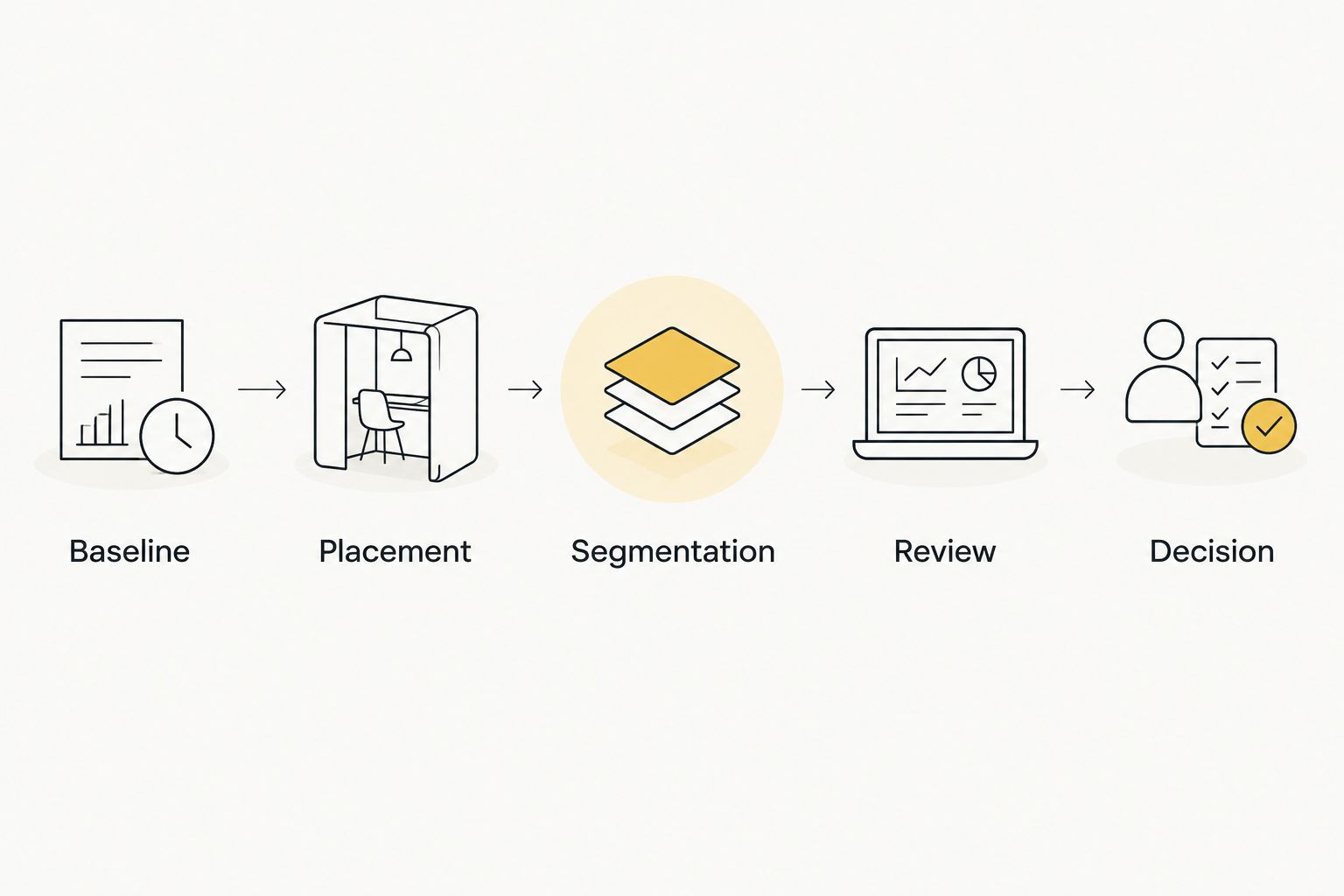
Use this sequence:
- Baseline: Record existing earnings, traffic mix, engagement, and page performance.
- Placement: Choose the page template or ad interaction you want to evaluate.
- Segmentation: Separate results by GEO, device, and traffic source where reporting permits.
- Review: Inspect ads on actual pages and compare business outcomes.
- Decision: Keep, adjust, or remove the setup based on the same criteria.
Keep the comparison consistent. If your traffic source or audience mix changes during the evaluation, separate that change from the placement result instead of attributing everything to the network.
Check payment terms before committing, too. Reported revenue, payable earnings, and cash received are different stages of monetization; understand the applicable conditions rather than treating a dashboard balance as a completed payout.
Which AdSense alternative should you choose?
Choose EZmob for publisher monetization when your priority is testing pop, push, display, and native formats. Choose Media.net for contextual advertising, Mediavine or Raptive for a managed relationship, Ezoic for placement testing, and BuySellAds for a sponsorship-led approach.
For an undecided publisher, the next move is not a complete migration. Select the model that fits your audience, review its current terms, and run a controlled evaluation against your existing setup.
FAQ
What’s the best AdSense alternative for publishers in 2026?
The best AdSense alternative depends on the monetization model you need. EZmob fits publishers testing pop, push, display, and native; Media.net fits contextual advertising; managed-service publishers should evaluate Mediavine and Raptive.
Which AdSense alternative pays the most?
No network has a universal earnings advantage across websites. Compare your own payable earnings while accounting for GEO, device, traffic source, placements, and engagement.
Can I use another ad network alongside AdSense?
Check both providers’ current policies and the proposed implementation before combining networks. Compatibility depends on the formats, placements, and applicable terms, not simply whether both tags can load.
Is popunder monetization the same as display advertising?
No. Popunder and display monetize different ad interactions, so evaluate their effects on your audience separately rather than treating them as interchangeable placements.
Should I choose a managed ad service or manage placements myself?
Choose managed advertising when you want a service relationship around ad operations. Choose a more hands-on approach when placement control and experimentation are your priorities.
Do I need to remove AdSense before testing an alternative?
Do not remove a working setup before checking the replacement’s requirements and policies. Plan the implementation and comparison first so the migration answers a specific business question.
What should I check before joining a publisher ad network?
Check eligibility, supported formats, implementation requirements, payment terms, termination conditions, and ad-quality controls. Then assess whether the setup fits your audience and website objectives.
One last thing
An ad network's strongest placement is not automatically your website's best placement. Protect the pages that drive subscriptions, leads, or repeat readership, and evaluate monetization around those priorities.
Related guides
- Can you monetize a website without banner ads?
- How long does publisher approval take on an ad network?
- How long does it take to withdraw ad network earnings?
Monetize your traffic with EZmob.